
Hi, I'm Lidia
I didn't come to accessibility through UX — I came to UX through accessibility. After 7 years teaching math and working closely with autistic, disabled, and neurodivergent students, I now design WCAG 2.2 AA–conformant products that remove the barriers I watched my students hit every day. Native Spanish speaker, adept at cross-cultural research.
Core Skills
What I Do
- User Research
- Wireframing
- Prototyping
- Usability Testing
- Information Architecture
- Journey Mapping
- Personas
- Affinity Mapping
- Inclusive Design
- Responsive Design Systems
- Accessibility (WCAG 2.2)
- Visual Design
Tools
- Figma
- Webflow
- Astro
- HTML/CSS
- Miro
- Adobe Suite
- WCAG Audits
My Story
The Moment I Noticed
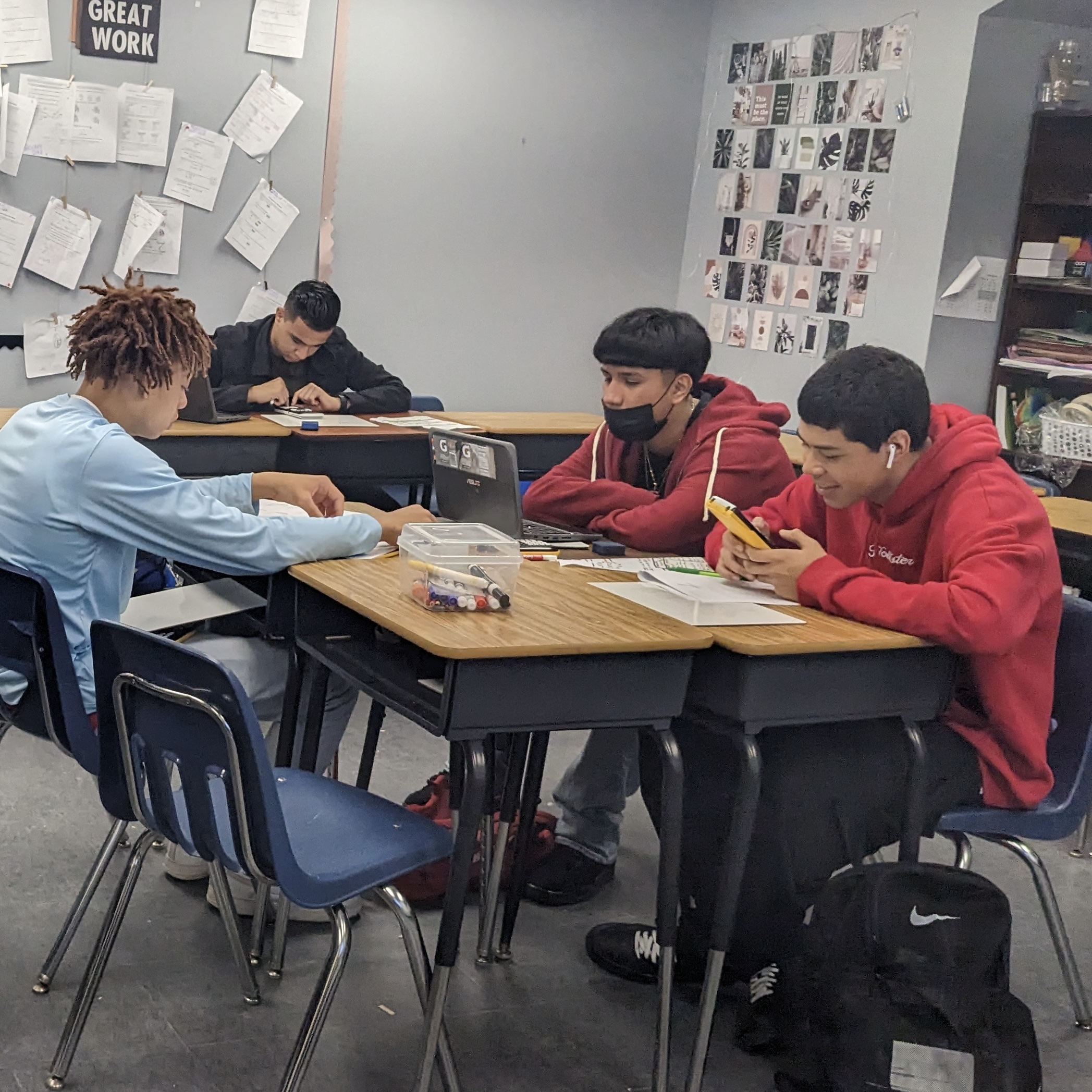
In my fourth year teaching, I met a nonspeaking student with cerebral palsy who had rejected every AAC device. They exhausted her, blocked her face, and weren't designed for her — just for the average user. Working with her and her family to co-create a communication tool became the most meaningful work of my teaching career. That effort became ComBoard, a personalized AAC tool that achieved a 9.8× increase in communication usage vs. her prior tools.
That experience changed how I saw every tool, every interface. I started noticing who was being left out — in assistive technology, in learning software, in finance tools. The defaults are not working for everyone.
The Shift
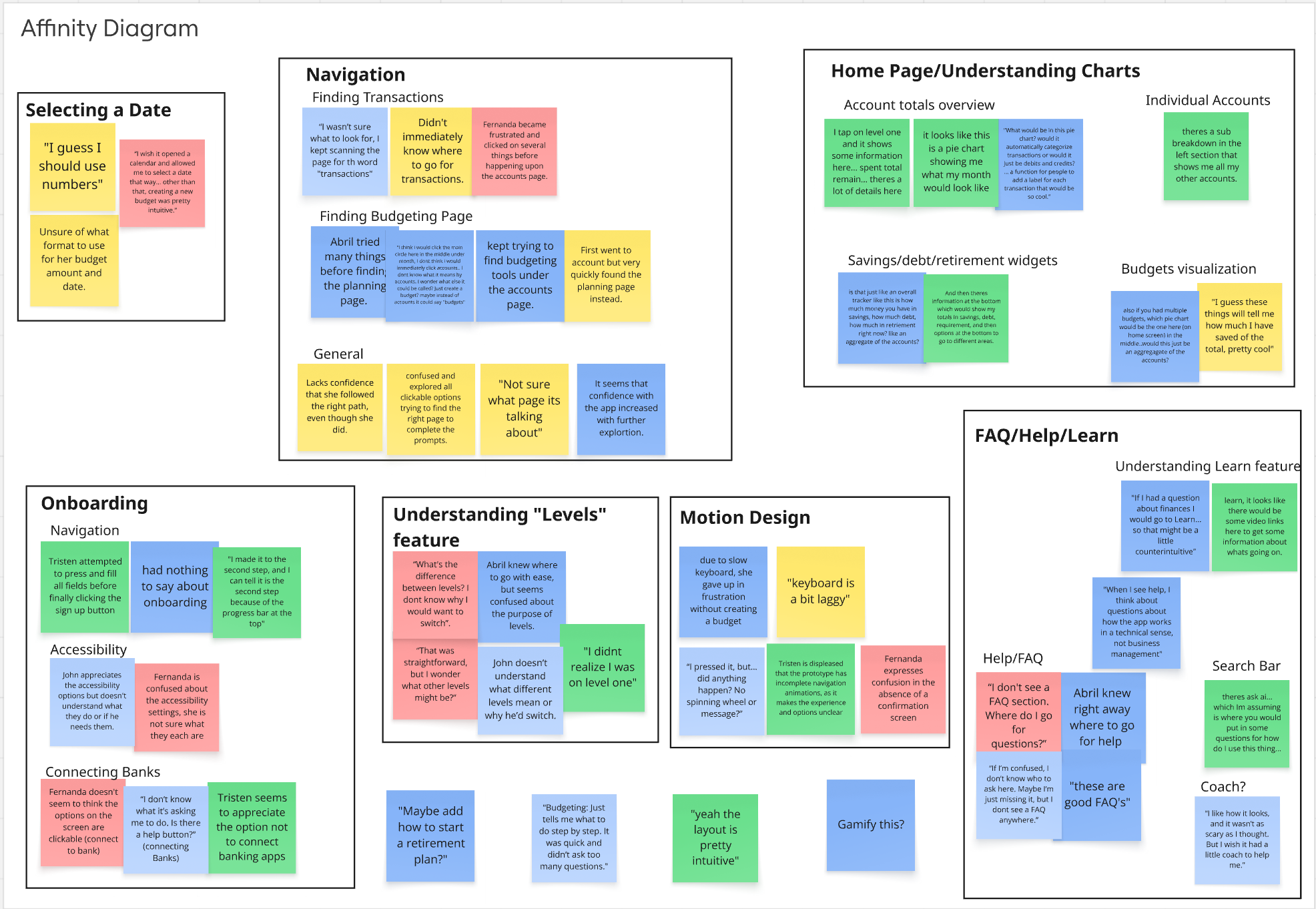
I started learning UX the way I teach — by doing. I conducted user interviews, built affinity maps, ran usability studies, and iterated on wireframes and prototypes in Figma. Along the way, I earned Google's UX Design Professional Certificate, which formalized the methods I was already practicing. But the foundation — designing with the people you're designing for — came from the classroom.
What I'm Looking For
I'm looking for a product design role where accessibility is part of the design culture. I do my best work on teams that value research, care about the people they're building for, and give designers room to advocate for inclusive solutions.