
Adapting an existing interface for another language
A self-initiated Spanish localization exercise focused on how language changes typography, hierarchy, spacing, and responsive layout.
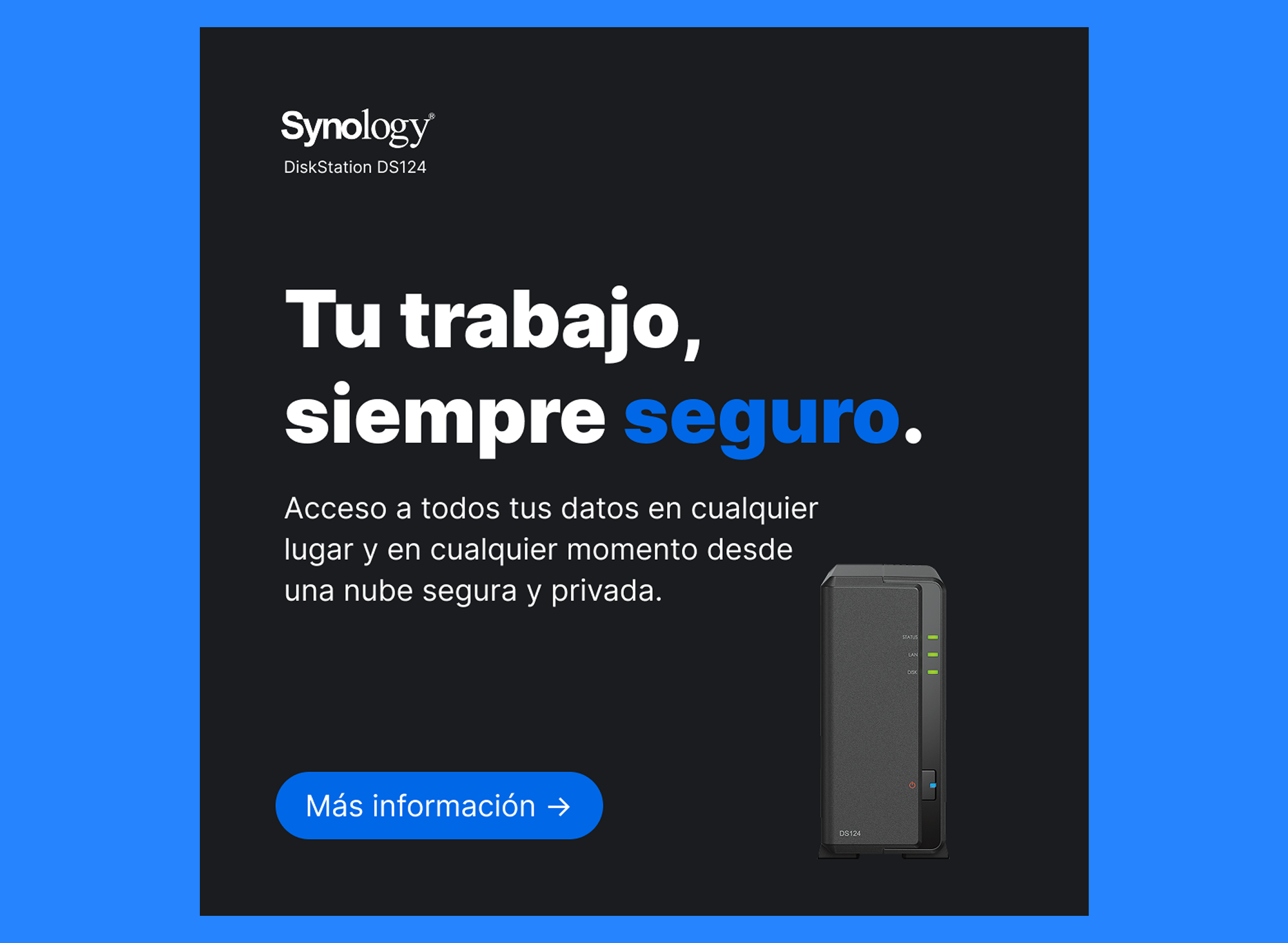
Why this interface
I used an existing Synology interface as a constrained visual exercise rather than inventing a new product problem.
The goal was to see what happened to an established interface when the language changed and the layout had to absorb that change without losing its hierarchy.
Designing for Spanish
Spanish text changes word length, line breaks, and the amount of space labels and calls to action need.
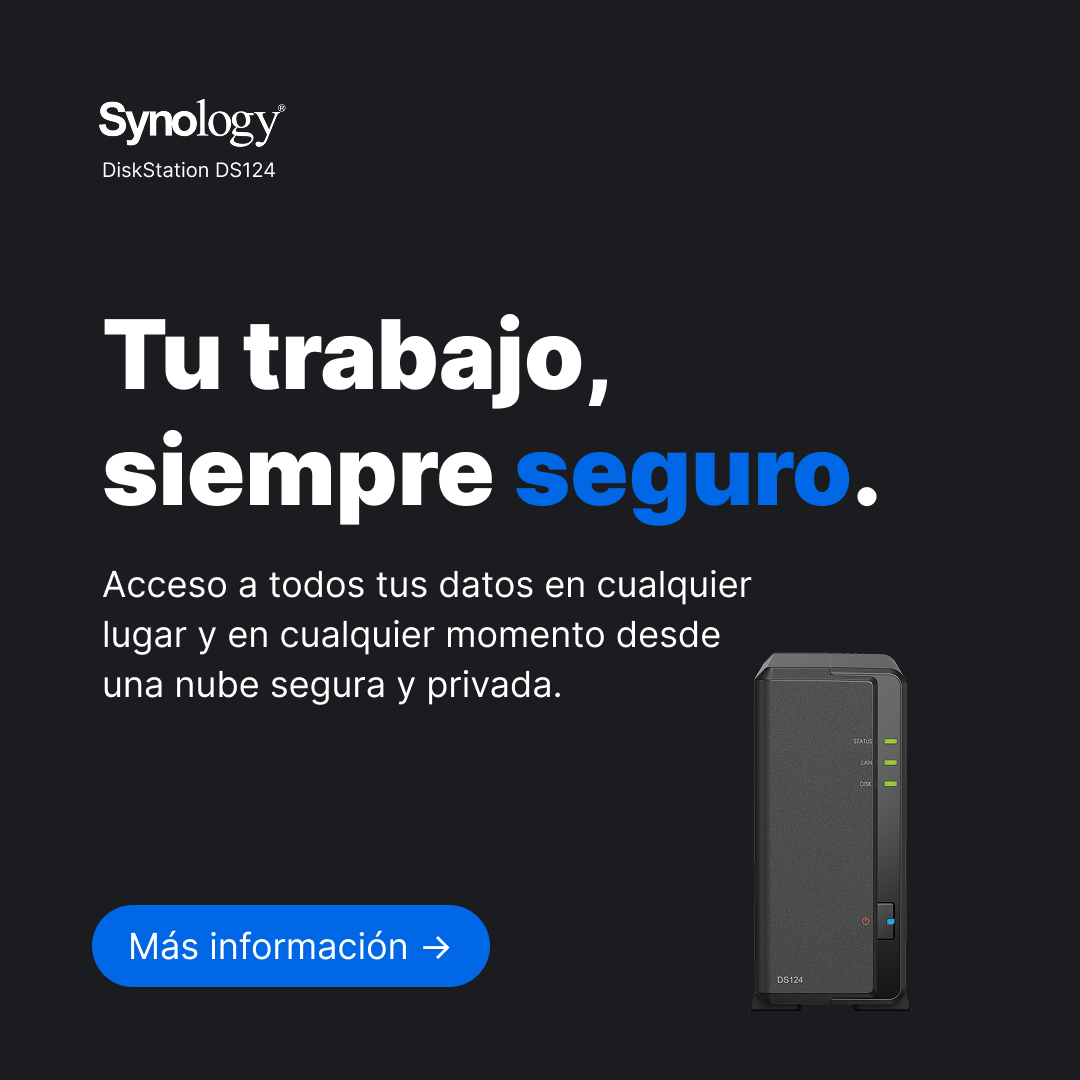
The exercise focused on preserving the intent and hierarchy of the original interface while allowing the Spanish copy to feel native to the layout rather than squeezed into English-sized containers.

Adapting the layout
The work looked at typography, spacing, line length, hierarchy, and component behavior as copy expanded or wrapped.
The CTA reads: Más información
Responsive decisions
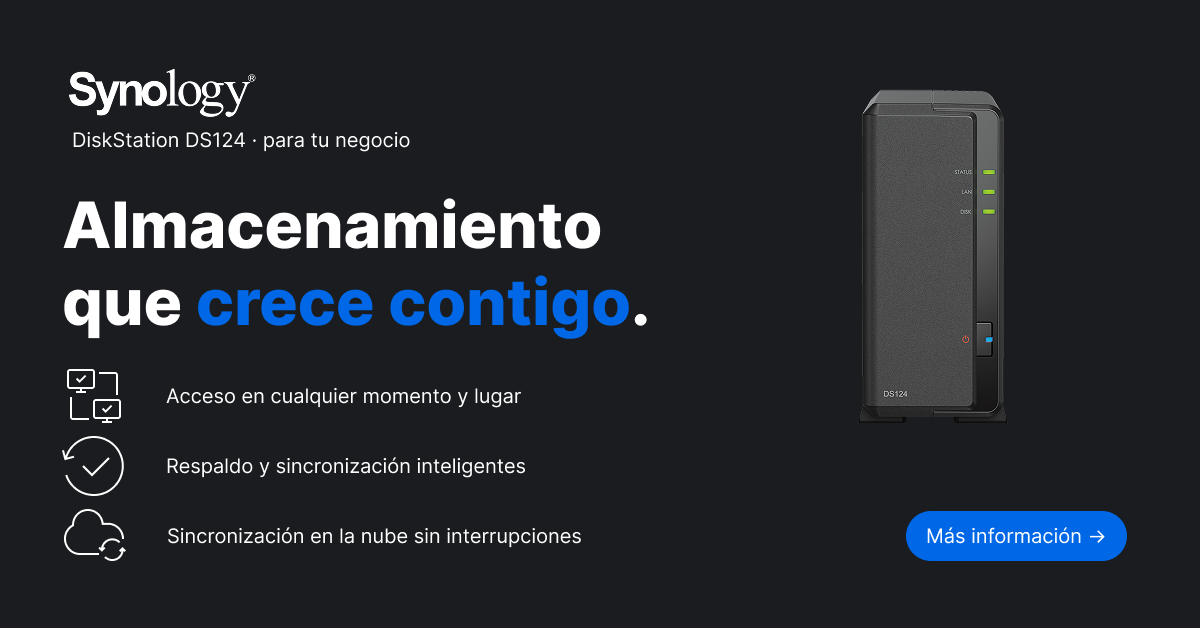
The localized layout also needed to keep working as the viewport narrowed.
Scope of the exercise
There were no users, stakeholders, launch, or outcome metrics. The exercise was about the design decisions themselves.